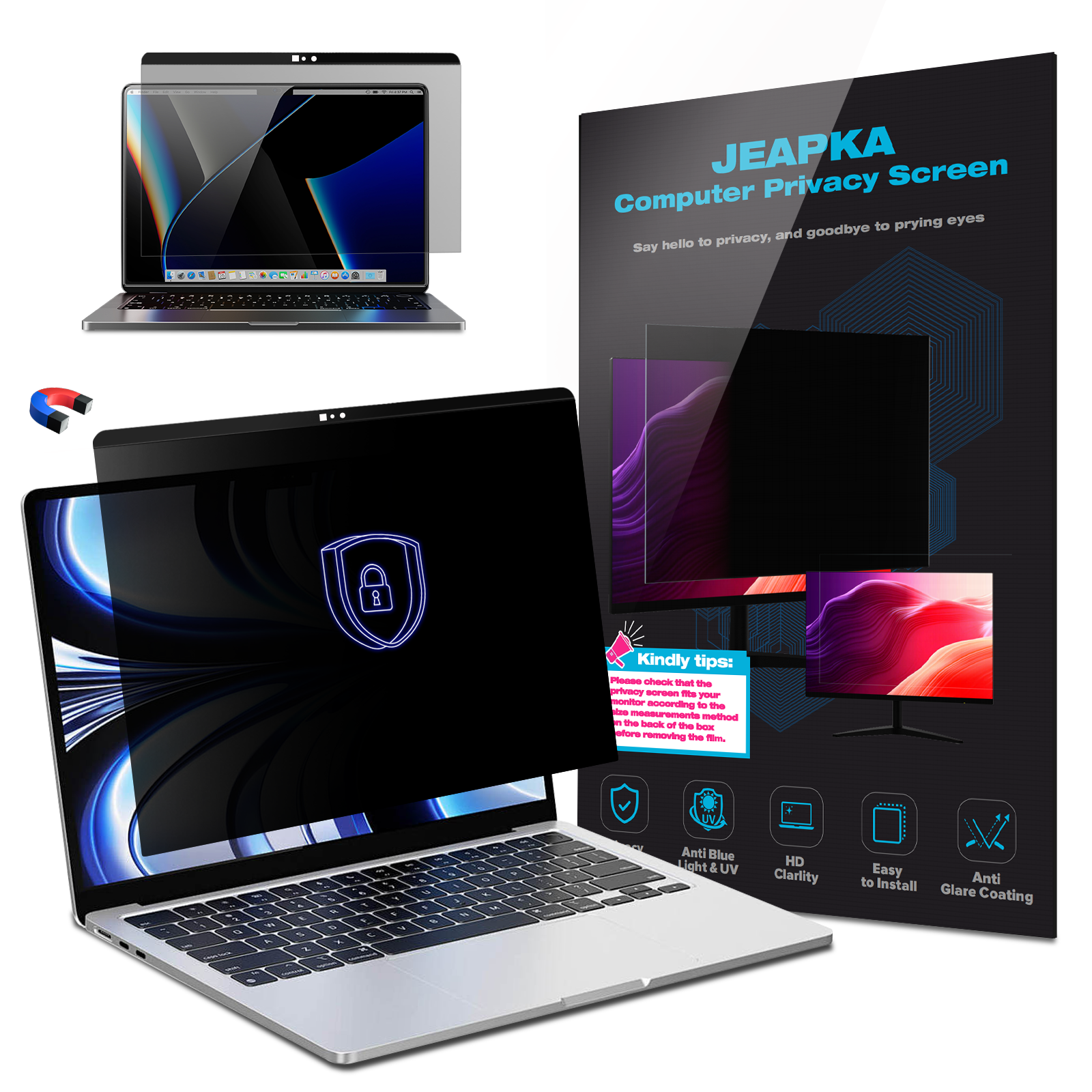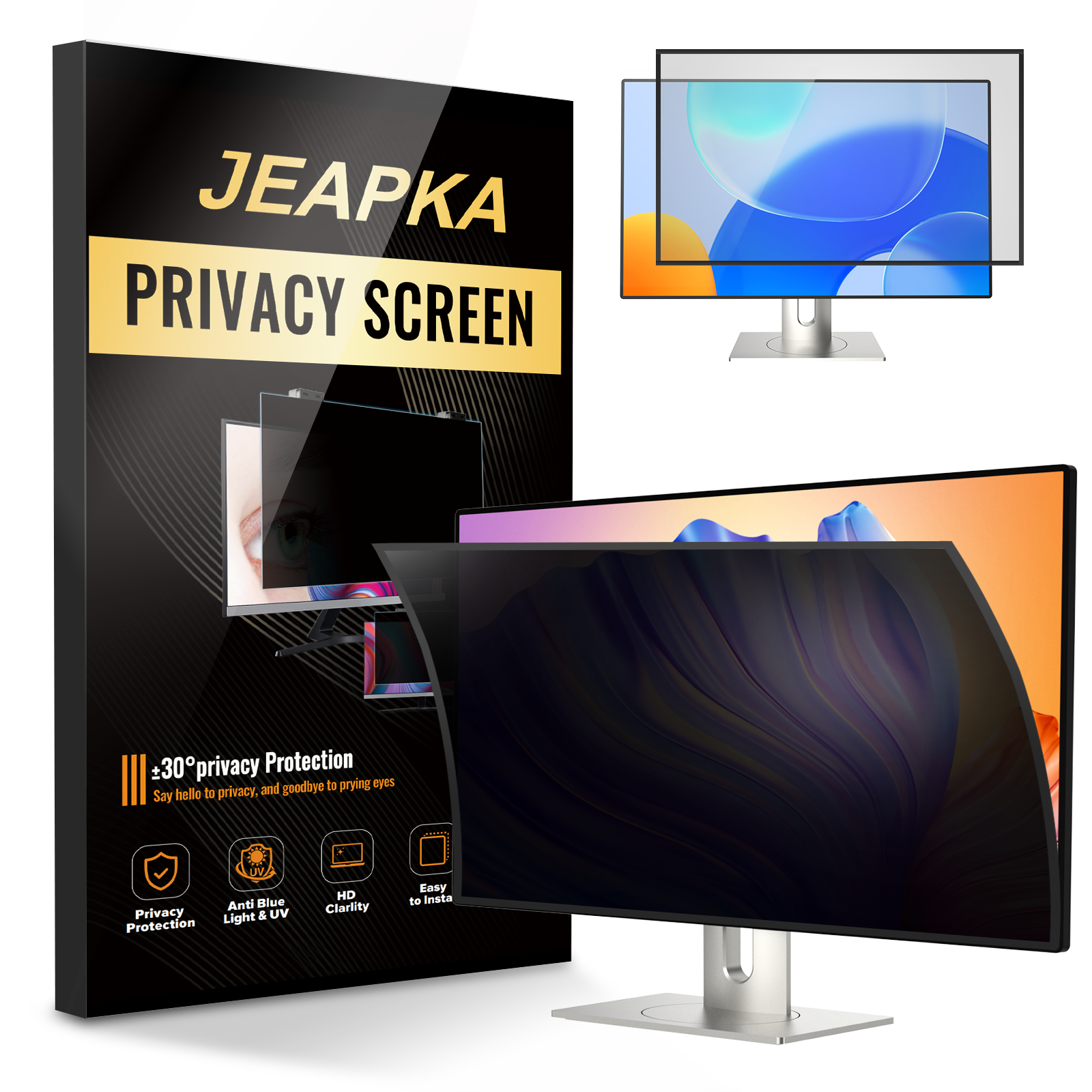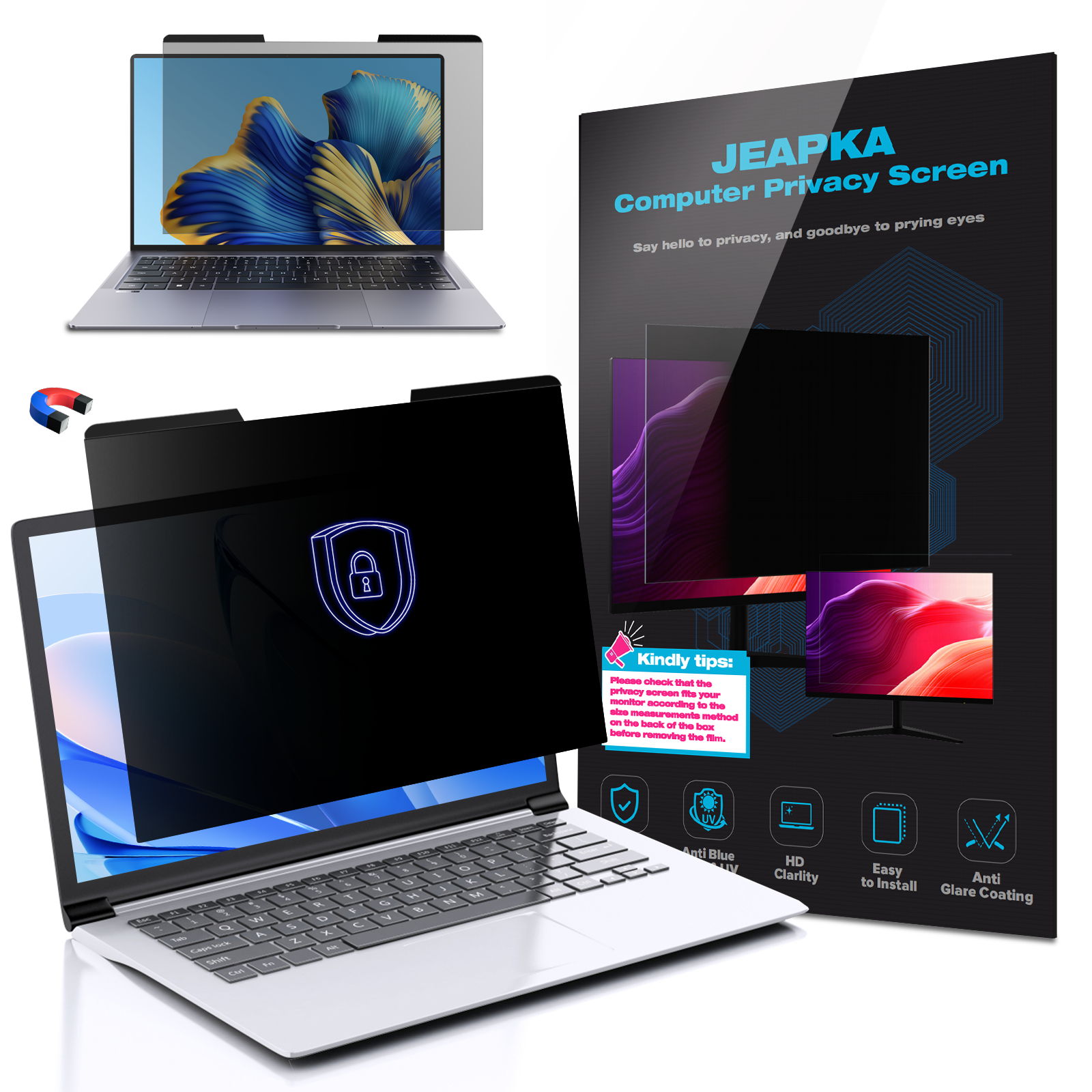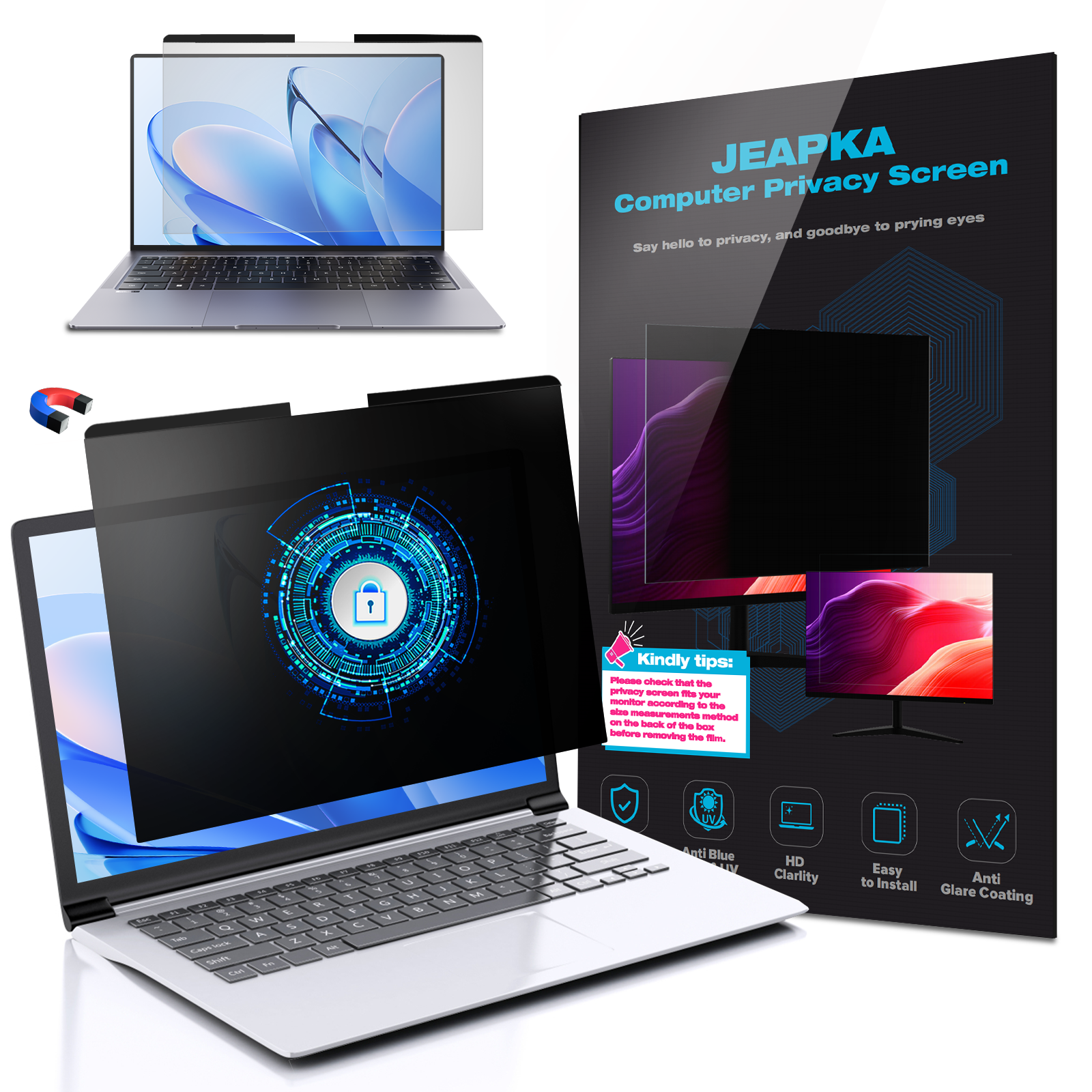
Protect Your Eyes: The Importance of Using a Blue Screen Filter
Release time:
2025-10-01

Protect Your Eyes: The Importance of Using a Blue Screen Filter
In our increasingly digital world, the importance of eye protection cannot be overstated. With the average person spending over 10 hours a day in front of screens, whether it’s for work, entertainment, or communication, our eyes are constantly exposed to harmful blue light emitted from these devices. Here, we delve into the significant benefits of using a blue screen filter, exploring how it can protect your eyes and enhance your overall visual comfort.
Table of Contents
- 1. What is Blue Light?
- 2. The Harmful Effects of Blue Light on Eyes
- 3. Benefits of Using a Blue Screen Filter
- 4. How Do Blue Screen Filters Work?
- 5. Types of Blue Screen Filters Available
- 6. Choosing the Right Blue Screen Filter for Your Needs
- 7. Other Eye Care Tips for Digital Device Users
- 8. Conclusion
- 9. FAQs about Blue Screen Filters
1. What is Blue Light?
Blue light is a high-energy visible light that falls within the 380-500 nanometer wavelength range. It is naturally emitted by the sun but is also prevalent in artificial light sources such as LED screens, fluorescent bulbs, and digital devices. While blue light is essential for regulating our circadian rhythms and maintaining alertness, excessive exposure, particularly in the evening, can disrupt sleep patterns and lead to visual discomfort.
2. The Harmful Effects of Blue Light on Eyes
Research indicates that prolonged exposure to blue light may contribute to various eye problems, including:
- Digital Eye Strain: Symptoms may include dryness, irritation, blurred vision, and headaches.
- Potential Retina Damage: Some studies suggest that long-term exposure may increase the risk of macular degeneration.
- Sleep Disruption: Blue light can interfere with melatonin production, affecting sleep quality and duration.
Understanding Digital Eye Strain
Digital Eye Strain, often referred to as computer vision syndrome, is becoming increasingly common as screen time rises. Symptoms manifest due to focusing on screens for extended periods without sufficient breaks, causing the muscles in the eyes to fatigue. Integrating a blue screen filter can significantly mitigate these symptoms by reducing glare and blocking harmful wavelengths.
3. Benefits of Using a Blue Screen Filter
Utilizing a blue screen filter offers several notable advantages:
- Reduced Eye Strain: By filtering out harmful blue light, these products help lessen discomfort and fatigue.
- Better Sleep Quality: Using a blue light filter, especially in the evening, can help maintain your natural sleep cycle.
- Enhanced Visual Comfort: Filters minimize glare and improve overall viewing comfort, allowing for longer screen time without adverse effects.
- Protection Against Long-Term Damage: Regular use may lower the risk of developing severe eye conditions later in life.
4. How Do Blue Screen Filters Work?
Blue screen filters work by employing special coatings or technologies designed to absorb or reflect blue light wavelengths. These filters can be integrated into screen protectors, software applications, or physical overlays. The key aspects of their functionality include:
- Color Temperature Adjustment: Many filters shift the color temperature of your screen to warmer tones, reducing blue light emissions.
- Glare Reduction: They minimize glare from ambient light, improving clarity and viewing comfort.
5. Types of Blue Screen Filters Available
When searching for a blue screen filter, you’ll encounter various options tailored to different needs:
- Screen Protectors: These are physical filters applied directly to your device's screen and provide immediate protection.
- Software Solutions: Applications that adjust your screen’s color temperature, such as f.lux or Night Shift, help reduce blue light exposure.
- Computer Glasses: Special glasses with blue light-blocking lenses can be worn during screen time to provide portable protection.
6. Choosing the Right Blue Screen Filter for Your Needs
Selecting the most suitable blue screen filter depends on various factors:
- Device Type: Ensure compatibility with your specific device, whether it's a laptop, smartphone, or tablet.
- Usage Scenario: Consider how often you use screens and in what lighting conditions to determine the level of protection required.
- Personal Preference: Some users may prefer physical filters, while others may find software solutions or glasses more convenient.
7. Other Eye Care Tips for Digital Device Users
In addition to using blue screen filters, adopting good eye care practices can further enhance your visual health:
- The 20-20-20 Rule: Every 20 minutes, take a 20-second break and focus on something 20 feet away to relieve eye strain.
- Maintain Proper Lighting: Ensure your work area is well-lit to reduce glare and contrast issues.
- Stay Hydrated: Drink plenty of water to keep your body and eyes well-hydrated, preventing dryness.
- Regular Eye Exams: Schedule routine check-ups with an eye care professional to monitor your eye health.
8. Conclusion
In a world dominated by digital screens, protecting your eyes has never been more critical. Adopting a blue screen filter is a proactive step towards ensuring long-term eye health and improving your overall quality of life. By understanding the harmful effects of blue light and the advantages of these filters, you can make informed decisions that contribute to your well-being. Don't wait until discomfort sets in; take control of your digital experience today and invest in your eye health!
9. FAQs about Blue Screen Filters
What is the best time to use a blue screen filter?
Using a blue screen filter in the evening or before bedtime can significantly enhance your sleep quality by minimizing blue light exposure.
Can I use a blue screen filter on all devices?
Yes, blue screen filters can be used on various devices, including laptops, desktops, tablets, and smartphones. Ensure compatibility with your specific screen type.
Do blue light blocking glasses work?
Yes, blue light blocking glasses can effectively reduce exposure to harmful wavelengths and alleviate digital eye strain, especially when worn during prolonged screen use.
Are there any side effects of using blue screen filters?
Generally, blue screen filters do not have side effects. However, users may initially notice a change in color temperature, which typically resolves with continued use.
How often should I replace my blue screen filter?
Physical blue screen filters should be replaced when they show signs of wear or damage. Software solutions may require updates as screen technology evolves.
By prioritizing eye protection and integrating blue screen filters into your daily routine, you can enjoy a more comfortable and healthier digital experience!
Related News