Enhancing Privacy in the Digital Age: The Importance of Computer Privacy Filters
Release time:
2025-07-02

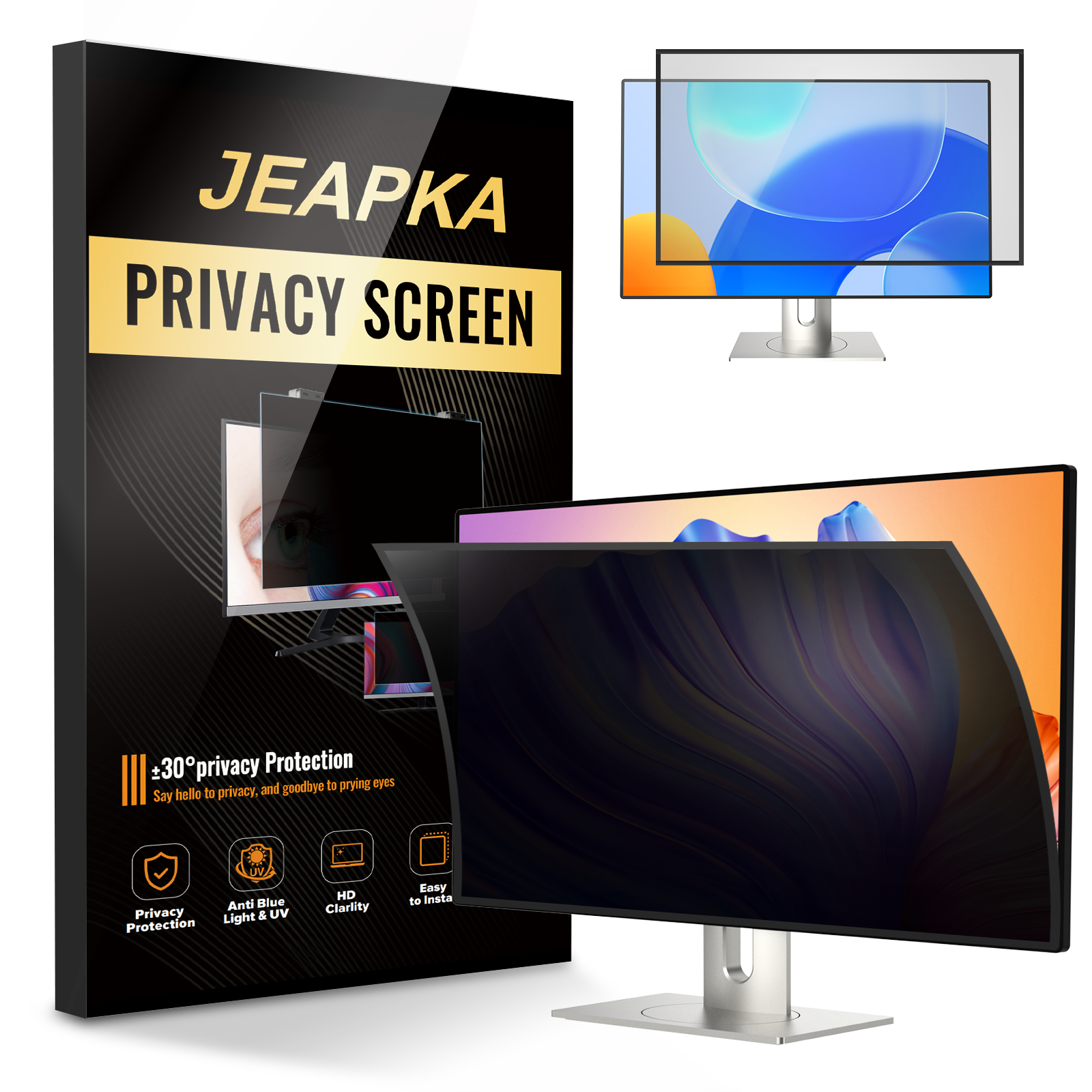
In the landscape of digital security, computer privacy filters play a crucial role in ensuring that sensitive information remains confidential. These filters are designed to limit the viewing angle of your screen, preventing others from seeing what you are working on from the side. This is particularly beneficial in open office environments, cafes, or any public space where your screen may be visible to unwanted observers.
When selecting a computer privacy filter, it’s essential to understand the technology behind it. Most privacy filters use a micro-louver design that blocks out light at certain angles, effectively narrowing the viewing zone. This technology ensures that only the person directly in front of the screen can see the content clearly, while those to the sides see a blank or distorted view. As a result, individuals can work more comfortably and confidently, knowing their data is protected from unauthorized eyes.
Additionally, computer privacy filters can help prevent visual hacking, which is an increasing concern in today’s digital age. Visual hacking refers to the act of capturing sensitive information simply by looking at someone’s screen. This can happen in environments where people are closely seated or in transit, such as on public transportation. By using a privacy filter, professionals can significantly reduce the risk of their information being compromised.
Another benefit of computer privacy filters is that they often provide an additional layer of screen protection. Many filters are made from durable materials that can shield your screen from scratches and dust, enhancing the longevity of your device. This dual functionality makes them a wise investment for any professional looking to protect both their data and their equipment.
Furthermore, privacy filters are not limited to laptops; they are available for desktop monitors and tablets as well, ensuring comprehensive protection across all devices. With the increasing reliance on digital tools for work, integrating a computer privacy filter into your setup is a proactive approach to safeguarding your information.
In conclusion, as data privacy continues to be a paramount concern, professionals should consider incorporating computer privacy filters into their daily operations. By investing in such a protective measure, individuals can work more securely and confidently, knowing that their information is shielded from prying eyes. Protecting your privacy is not just about technology; it’s about fostering a culture of security and trust in the workplace.
When selecting a computer privacy filter, it’s essential to understand the technology behind it. Most privacy filters use a micro-louver design that blocks out light at certain angles, effectively narrowing the viewing zone. This technology ensures that only the person directly in front of the screen can see the content clearly, while those to the sides see a blank or distorted view. As a result, individuals can work more comfortably and confidently, knowing their data is protected from unauthorized eyes.
Additionally, computer privacy filters can help prevent visual hacking, which is an increasing concern in today’s digital age. Visual hacking refers to the act of capturing sensitive information simply by looking at someone’s screen. This can happen in environments where people are closely seated or in transit, such as on public transportation. By using a privacy filter, professionals can significantly reduce the risk of their information being compromised.
Another benefit of computer privacy filters is that they often provide an additional layer of screen protection. Many filters are made from durable materials that can shield your screen from scratches and dust, enhancing the longevity of your device. This dual functionality makes them a wise investment for any professional looking to protect both their data and their equipment.
Furthermore, privacy filters are not limited to laptops; they are available for desktop monitors and tablets as well, ensuring comprehensive protection across all devices. With the increasing reliance on digital tools for work, integrating a computer privacy filter into your setup is a proactive approach to safeguarding your information.
In conclusion, as data privacy continues to be a paramount concern, professionals should consider incorporating computer privacy filters into their daily operations. By investing in such a protective measure, individuals can work more securely and confidently, knowing that their information is shielded from prying eyes. Protecting your privacy is not just about technology; it’s about fostering a culture of security and trust in the workplace.
Related News